
Repairs & Maintenance
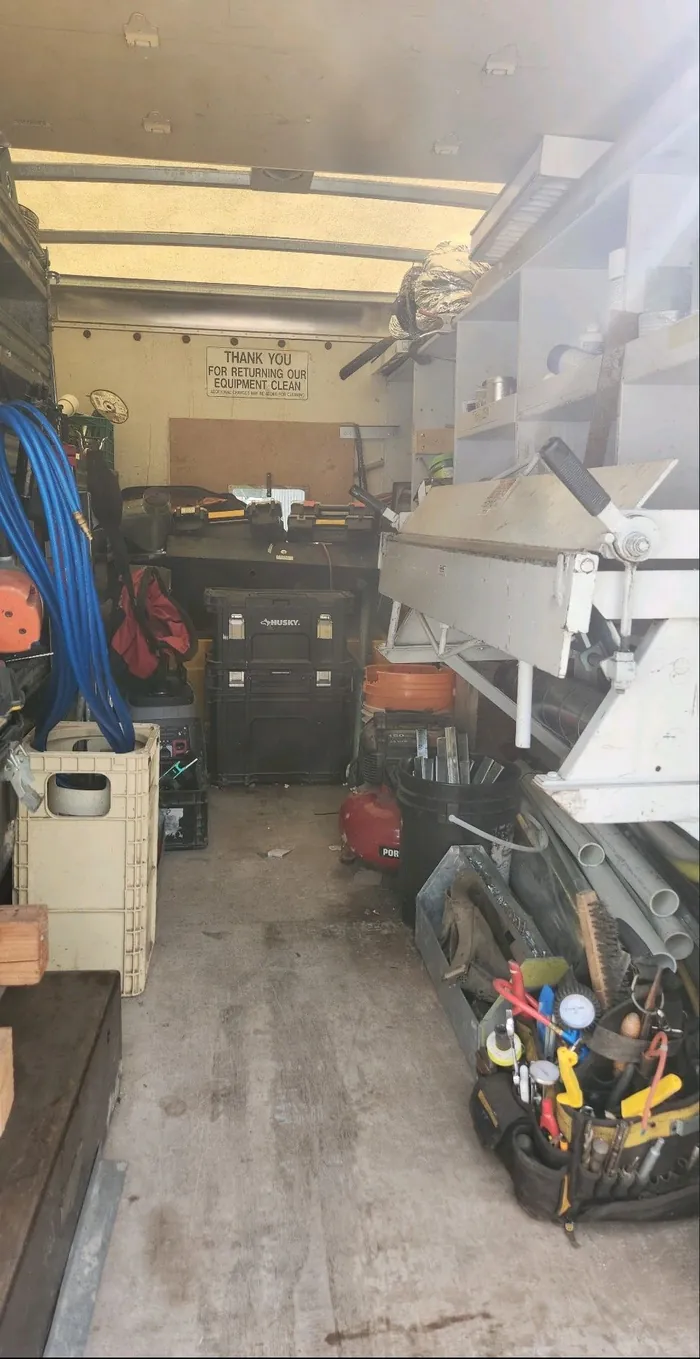
Service calls when something stops working, and preventative maintenance contracts so it stops less often. Furnaces, air conditioners, heat pumps, water heaters, HRVs and the ductwork that ties them together. One contractor for the whole job: HVAC installs for homes, and custom galvanized steel fabrication for other contractors.
Something Stopped Working
A furnace that will not light, an AC blowing warm air, a water heater with no hot water. When the system you rely on quits, you want someone who knows what they are looking at. Mike has more than 30 years in HVAC and sheet metal, and MDMC installs the same kinds of equipment it repairs.
That matters on a service call. A contractor who installs systems knows how they should be put together, so a problem caused by the install itself, like a bad venting run or a duct that starves the furnace for air, gets spotted instead of patched over.
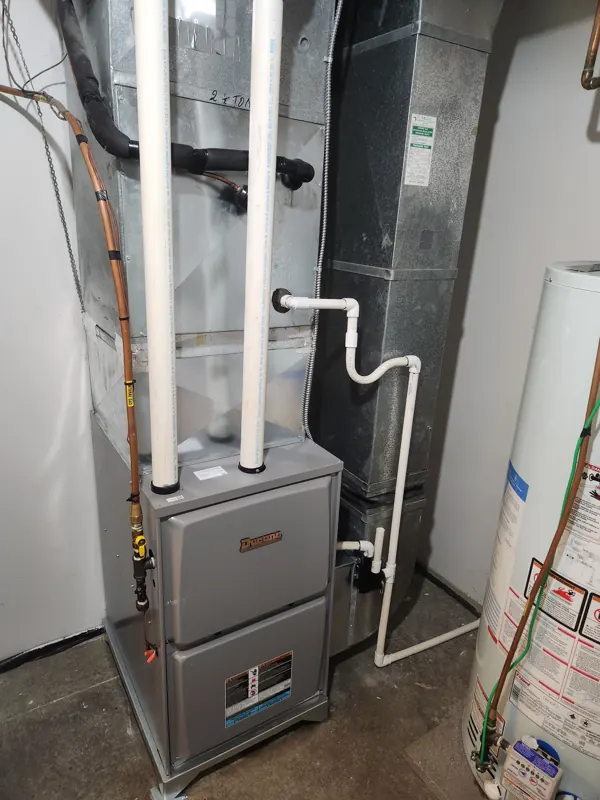
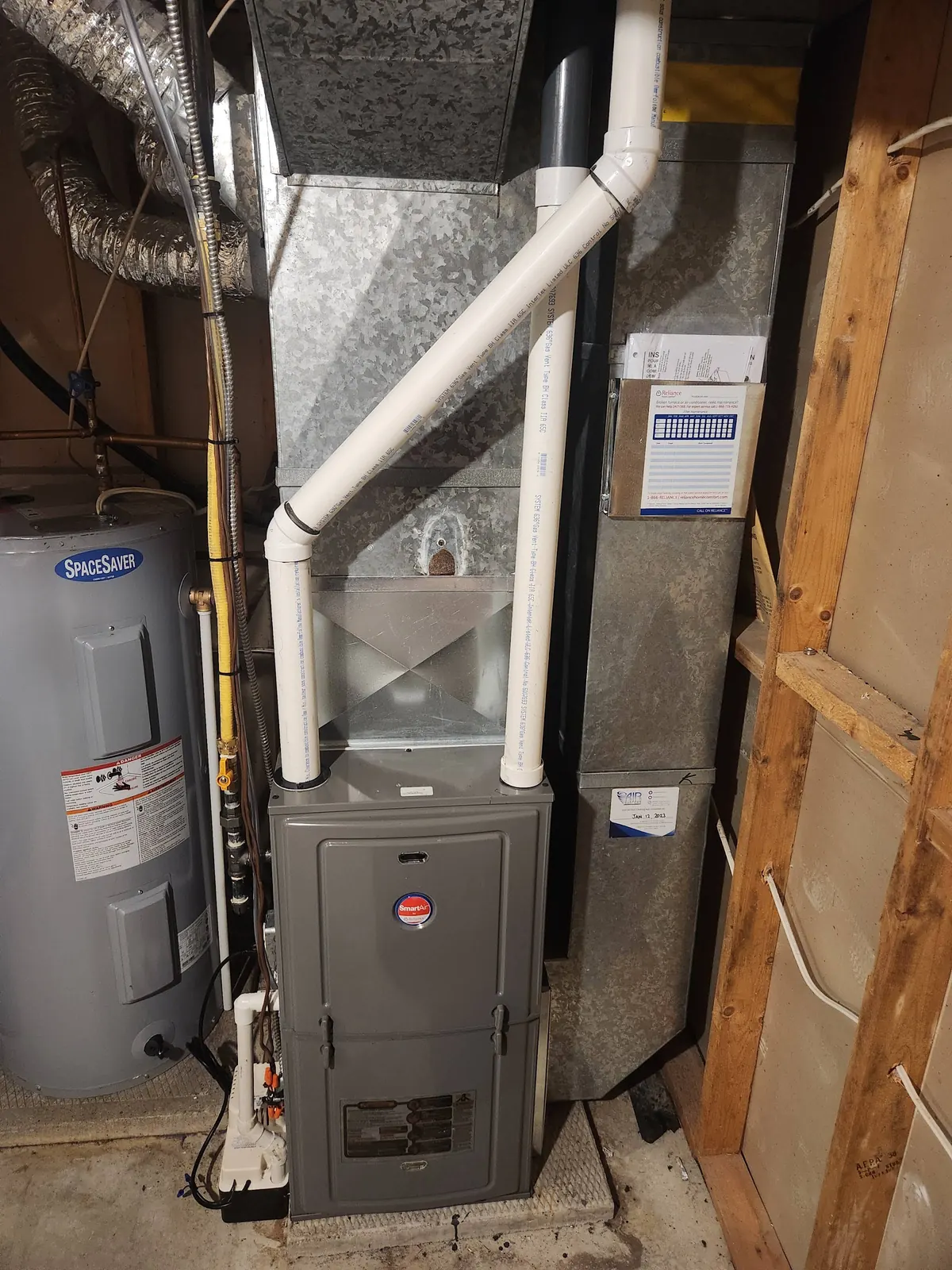
- Gas furnaces, unit heaters and wall heaters
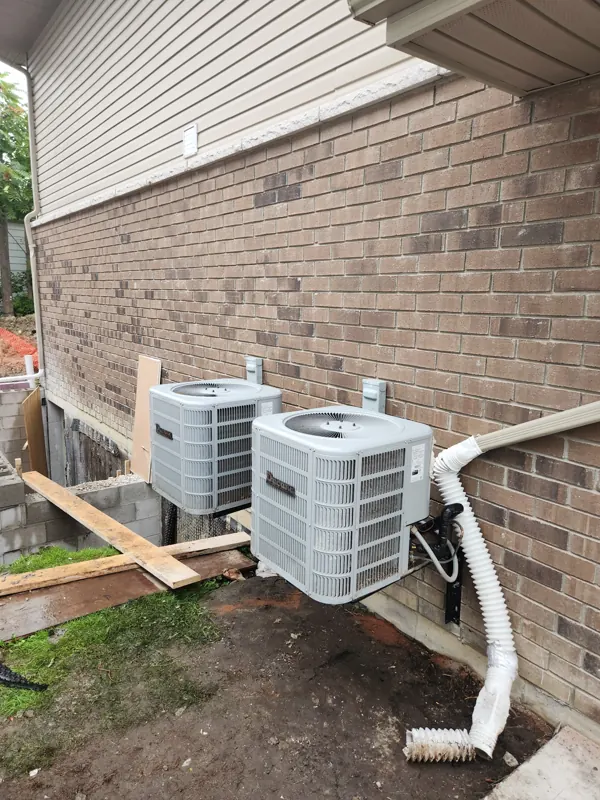
- Central air conditioners and ductless systems
- Heat pumps and mini splits
- Tank and tankless water heaters
- HRVs, ERVs and exhaust fans
- Thermostats and zone controls
- Ductwork, plenums and transitions, rebuilt in our shop when needed
What We See Most
| Symptom | Common causes | What to check first |
|---|---|---|
| Furnace will not start | Ignition or flame sensor problems, a tripped safety switch, a blocked vent or drain. | Thermostat setting, the furnace switch and the filter. |
| Furnace short cycles | Dirty filter, flame sensor, a furnace that is too big, or restricted ductwork. | Replace the filter and make sure supply registers are open. |
| AC blows warm air | Low refrigerant, a failed capacitor or fan, a frozen coil. | Breaker for the outdoor unit and a clear area around it. |
| Water leaking near the furnace | A blocked condensate drain or a leaking water heater. | Where the water is coming from, and shut off the water heater if it is the tank. |
| No hot water | Pilot or ignition problems, a failed thermostat or gas valve, scale in a tankless unit. | That the gas is on and the heater is not in error mode. |
| Uneven rooms | Duct problems, a weak blower, or closed or blocked registers. | Registers open and nothing blocking the returns. |
If you smell gas, leave the house and call the gas utility's emergency line from outside before calling anyone else.
How a Repair Visit Runs
Call
Tell us what the system is doing, any error codes or sounds, and when it started.
Visit
We inspect the equipment, test it and find the cause, not just the symptom.
Quote
You hear what is wrong and what the fix costs before any repair work starts.
Repair
The part is replaced or the problem fixed, then the system is run and checked.
Cleanup
Work area cleaned and you are told anything else we noticed.
Fewer Surprises, Longer Life
Ask about a preventative maintenance contract when you call.
Most breakdowns start small. A dirty flame sensor, a clogged drain, a worn belt or a coil caked in dust can run for months before something finally fails, usually on the coldest or hottest day of the year. A yearly check catches those problems while they are cheap to fix.
Furnace maintenance
- Inspect the burners, flame sensor and ignition
- Check the heat exchanger and venting
- Clean or test the condensate drain and trap
- Check the blower and filter, and test the safety controls
Air conditioner and heat pump maintenance
- Clean the outdoor coil and check the fan
- Check refrigerant pressures and electrical parts
- Clear the indoor coil drain
- Clean mini split filters and indoor heads
Water heater and HRV maintenance
- Flush tankless units to remove scale
- Check the venting and gas connection on tank heaters
- Clean HRV and ERV cores and filters
When to book
Heating equipment is best checked in late summer or early fall, before the first cold snap. Cooling equipment is best checked in spring, before the heat arrives.
An Honest Answer
Repair makes sense
The system is in good shape overall, the part is available and the fix is a small share of a new unit.
Replace makes sense
The same problem keeps coming back, a major part failed on an older unit, or parts are no longer made.
Fix the ducts
Sometimes the equipment is fine and the ductwork is the real problem. We build new duct pieces in our own shop.
If it is time to replace, see Furnace Replacement or Central ACs.
What Changes a Repair Bill
The part
A sensor or capacitor costs far less than a control board, motor or compressor.
Diagnosis time
Some problems show up right away. Others come and go and take longer to track down.
Access
Equipment in a tight closet, crawlspace or attic takes more time to work on.
Equipment age
Parts for older units can be harder to find.
You are told the cost before the repair starts.
On the Job
Repair and Maintenance Questions
How often should my furnace be serviced?
Once a year, ideally before the heating season starts. Change or clean the filter more often, especially if you have pets or renovation dust.
What is included in a maintenance contract?
Scheduled visits to check and clean your equipment. Ask when you call and we will go through what is covered for your system.
Do you repair equipment you did not install?
Yes. We service furnaces, air conditioners, heat pumps and water heaters no matter who installed them.
Why does my furnace turn on and off every few minutes?
Short cycling is often caused by a dirty filter or flame sensor, an oversized furnace or restricted ductwork. A service call finds which one.
Is it worth repairing an old furnace?
It depends on the part, the cost and the condition of the rest of the furnace. We give you a straight answer either way.
What should I do if I smell gas?
Leave the house right away, do not use switches or phones inside, and call the gas utility's emergency line from outside.
System Acting Up?
Call for a service call or ask about a preventative maintenance contract.