
Gas Lines & Venting
Whole house gas systems, a new line to any residential appliance, and every kind of ventilation your home needs. Done by a TSSA registered contractor that also builds the metal. One contractor for the whole job: HVAC installs for homes, and custom galvanized steel fabrication for other contractors.
Two Systems, One Crew
Every gas appliance in a house depends on two things: a gas line that can carry enough fuel, and a vent or exhaust path that moves air the right way. When either one is undersized, leaky or badly routed, the appliance works harder, wears out sooner or does not run at all.
We handle both. That includes running a new gas line from the meter or an existing branch, adding a line for a new appliance, and planning the venting and fresh air that the appliance needs. Because MDMC builds galvanized ductwork in its own shop, vent and duct pieces that do not come in a box can be made to fit.
Gas lines we run
- Whole house gas systems for new builds, additions and full renovations
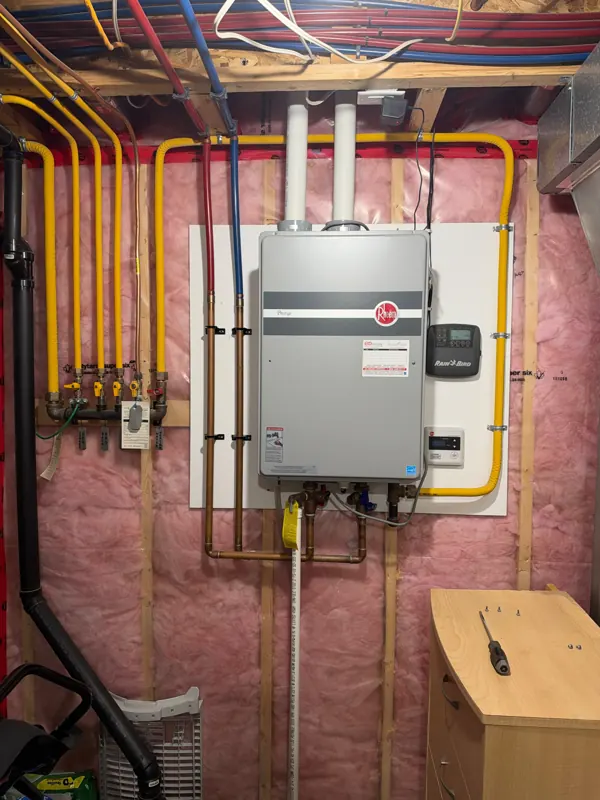
- Lines to furnaces, water heaters and tankless units
- Lines to ranges, dryers, fireplaces and wall heaters
- Lines to BBQs, patio heaters and garage unit heaters
Venting and air we handle
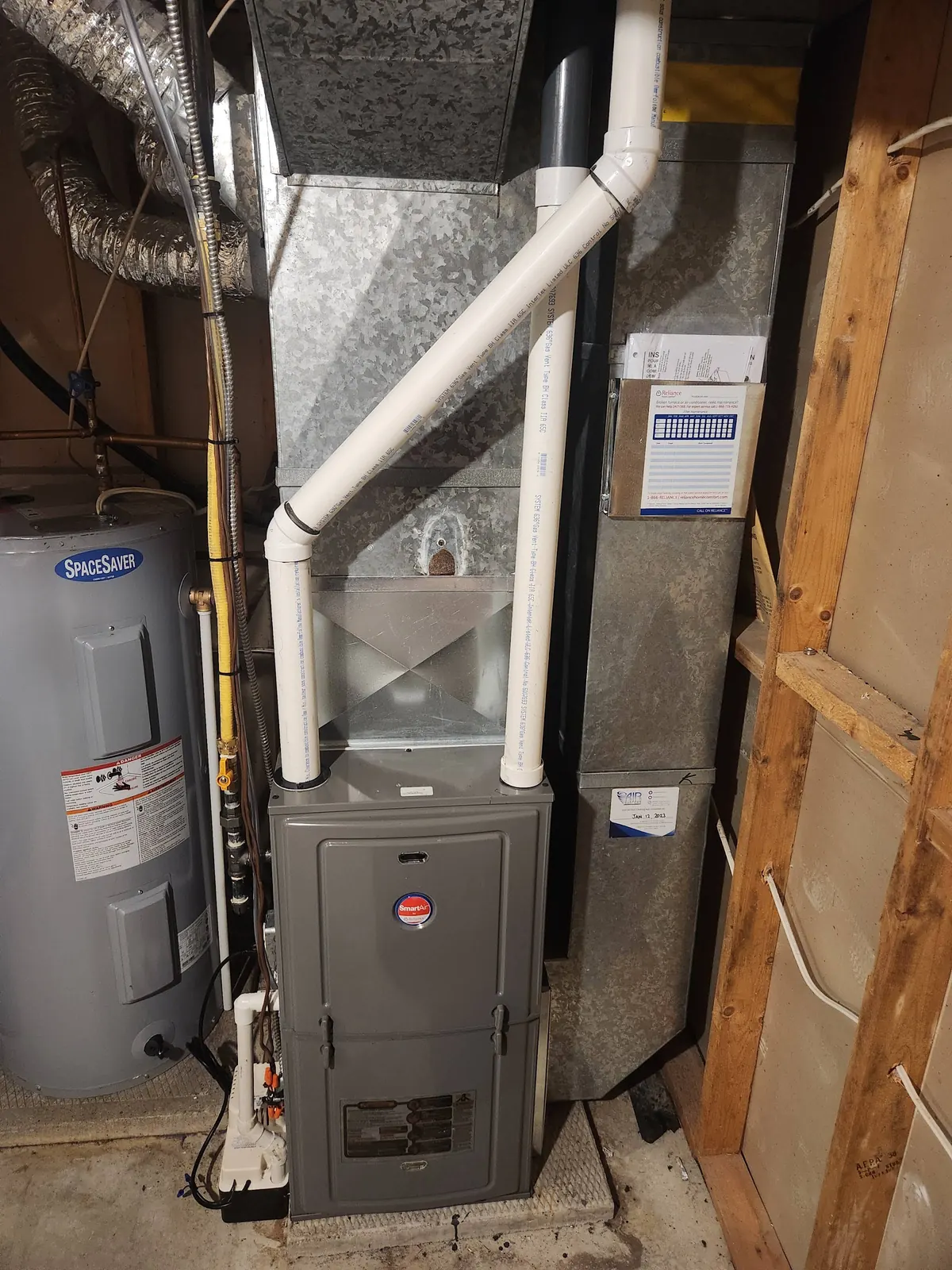
- Furnace and water heater venting, including chimney to wall vent changes
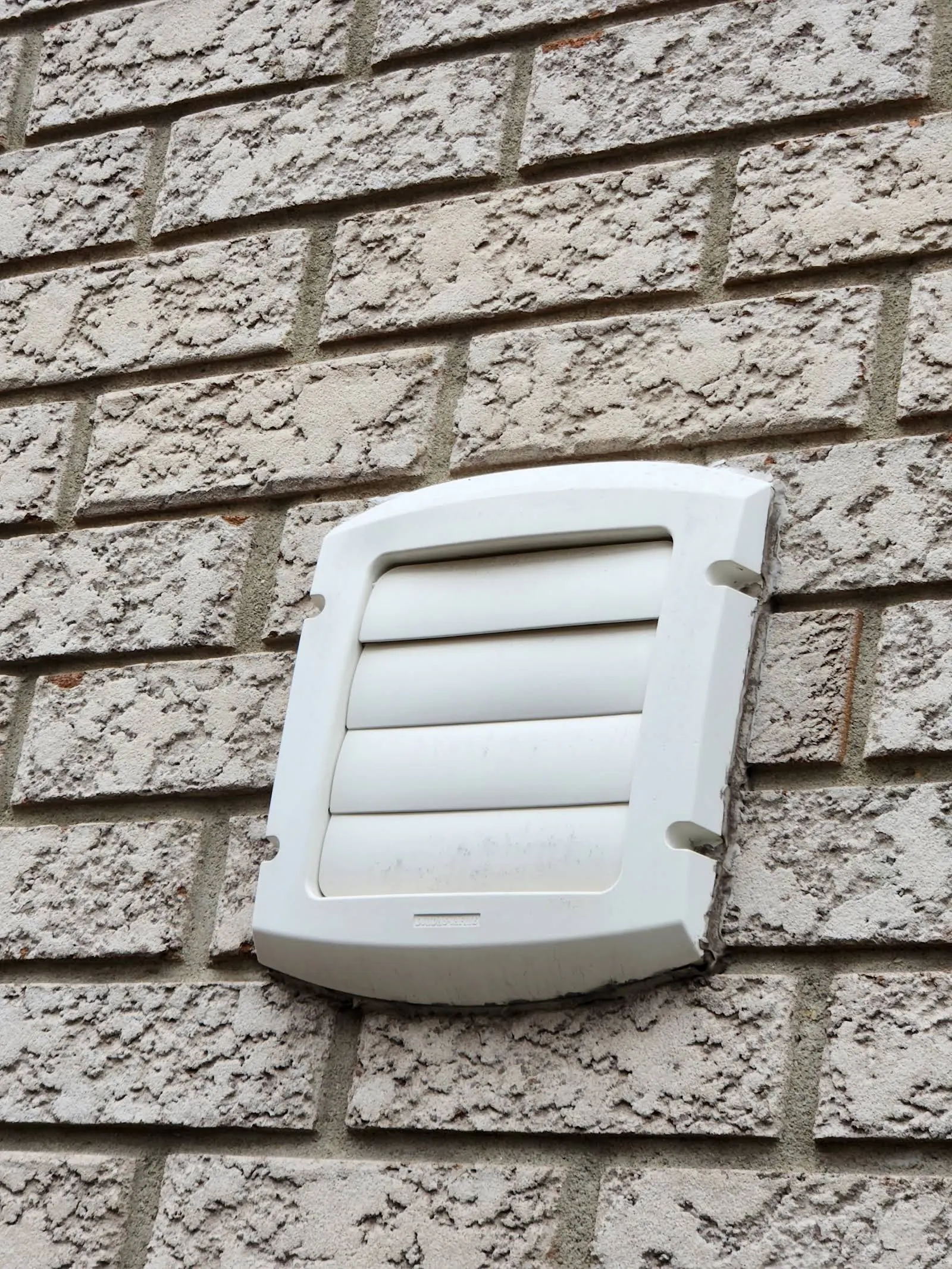
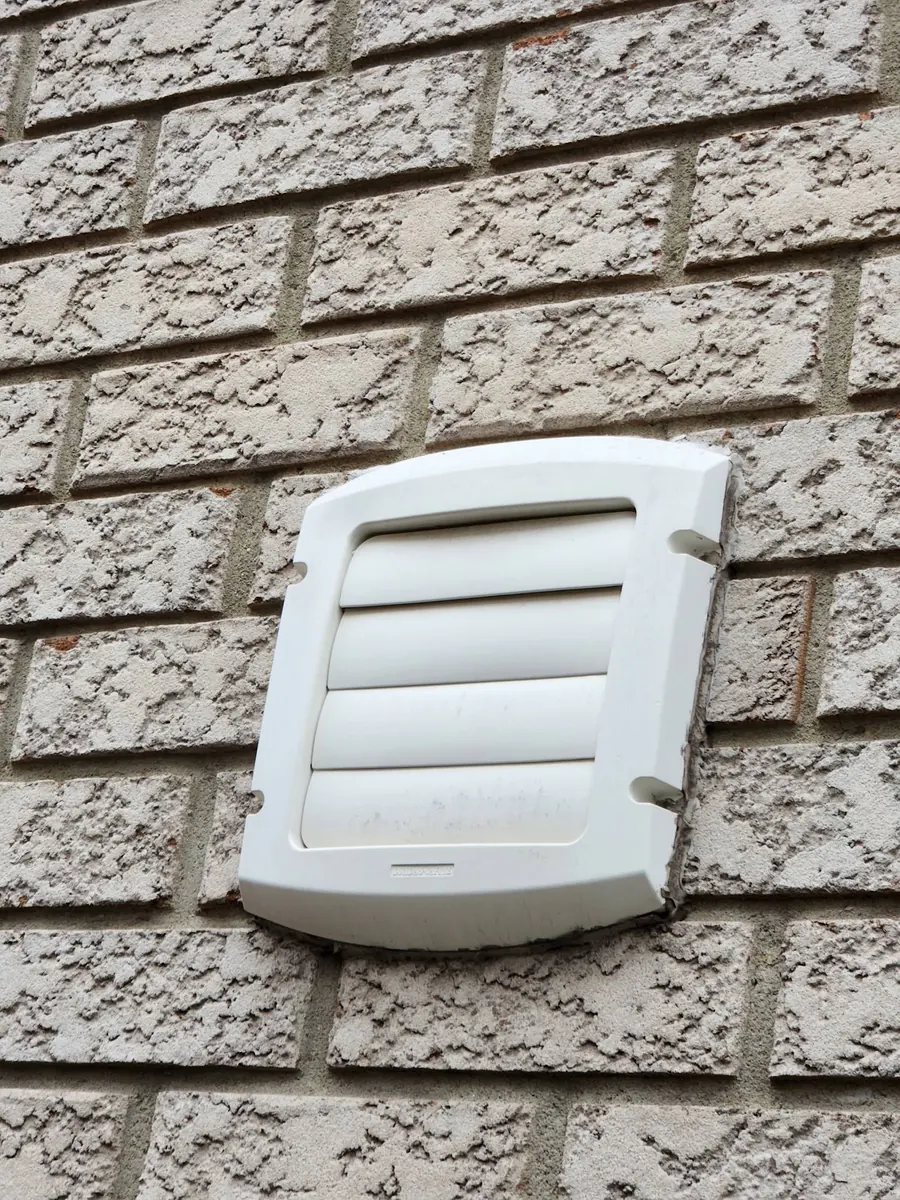
- Dryer and bathroom exhaust vents through brick and siding
- HRV and ERV air exchangers of all types
- Zone control so different floors can be heated and cooled on their own
How a Gas Line Job Runs
Call
Tell us which appliance needs gas or which room needs venting, and where it sits in the house.
Visit
We trace the existing line, check the meter and the load already on it, and plan the route.
Quote
A written quote shows the route, the pipe size and any venting or wall work.
Install
Pipe is run, connected and pressure tested. The appliance is hooked up and checked for safe operation.
Cleanup
Holes are sealed, the work area is cleaned and you are shown the shut off valve.
Ways to Add an Appliance
Tap the existing line
Fastest when the current pipe has room to carry another appliance.
- Plus
- Less pipe and less labour.
- Limit
- Only works if the line and meter can handle the total load.
New branch from the meter
A dedicated run for a big user like a tankless heater or a large range.
- Plus
- Full pressure for every appliance.
- Limit
- More pipe, more routing, more time.
Outdoor run
For BBQs, patio heaters and detached garages.
- Plus
- No more propane tanks to fill.
- Limit
- Buried lines need a locate before any digging.
What Sets the Price
Length of the run
The distance from the gas source to the appliance, and how many turns it takes.
Pipe size
Bigger appliances need bigger pipe. Upsizing an old line costs more than adding a short branch.
Walls and ceilings
Open basement joists are quick. Finished ceilings, brick and concrete add time.
Venting work
New wall penetrations, custom vent pieces and fresh air supply all add to the job.
Each job is quoted in writing after a visit. We do not post prices.
Gas and Vent Work
Gas Line Questions
Who may connect a gas appliance in Ontario?
Gas work in Ontario has to be done by a contractor registered with the TSSA, using certified gas technicians. MDMC is TSSA registered.
Do I need a permit for a new gas line?
Gas work is covered by TSSA rules, and some jobs also need a municipal permit. We tell you what applies to your job at the home visit.
Does a buried BBQ or pool heater line need a locate?
Yes. Before any digging, buried utilities have to be located so nobody hits a line. We plan the route around that.
Can my gas line handle another appliance?
Sometimes. It depends on the pipe size, the length of the run and what is already connected. We check the total load before adding anything.
How long does gas line installation take?
A short line in an open basement can be done in part of a day. Long runs, outdoor lines and finished spaces take longer.
Adding a Gas Appliance?
Call and we will check your line, plan the route and quote it in writing.